Someone borrowed my car and crashed it. Whose insurance pays?
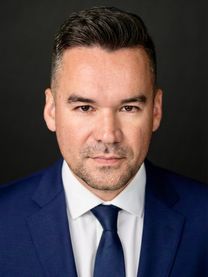
- Texas Attorney
- Yale B.A. · University of Houston Law Center J.D.
- Habla español
- Updated October 27, 2026
In Texas, insurance generally follows the car: an owner's auto policy has to cover anyone driving the car with the owner's express or implied permission (Transp. Code § 601.076), so the owner's liability coverage usually pays first. If the driver has their own policy, it usually adds coverage as excess. The main exceptions are a driver specifically excluded from the policy, a named-driver policy, and a car taken without permission, and an owner who lends a car to someone they knew or should have known was unlicensed or reckless can also be liable for negligent entrustment.
Tell me what happened
Jimmy reads every request himself and will be in touch with you shortly.
Insurance generally follows the car
Texas law requires an owner's auto liability policy to pay on behalf of the named insured or another person who uses the car with the named insured's express or implied permission (Transportation Code § 601.076). Most Texas policies say it simply: the insured includes “any person using your covered auto.” The Texas Department of Insurance puts it this way: a standard personal auto policy typically covers almost everyone who drives the covered vehicle.
So when a friend, a relative or a coworker borrows a car and causes a crash, the claim for the people they hurt usually goes first to the owner's insurance company, up to the owner's limits. Permission doesn't have to be in writing. “Implied” permission can come from a pattern, like a family member who always takes the keys from the hook.
What if the driver has their own insurance?
Then there may be two policies. Most Texas policies say that coverage for a car the insured does not own is excess over any other applicable liability insurance. In plain terms, the owner's policy pays first, and the driver's own policy pays after it runs out. For a person who was badly hurt, that second layer can matter a great deal.
An example: the owner carries the Texas minimum of $30,000 per person, and the driver has her own policy with a $50,000 limit. If the injured person's damages are $70,000, the owner's insurer pays first, up to $30,000, and the driver's insurer can answer for the rest, up to its own limit. When both policies are small, the injured person's own underinsured motorist coverage and anyone else who shares the blame are where the rest comes from.
When the owner's policy may not cover the driver
- An excluded driver. Some policies carry an endorsement that lists a person by name, often a household member with a bad record, who is not covered at all. If that person was driving, the owner's insurer will deny the claim.
- A named-driver policy. Texas allows policies that do not cover people living in the insured's household unless they are named on the policy (Ins. Code § 1952.0545). These policies must carry a printed warning saying so. A household member who is not listed may not be covered, even with the keys in hand.
- No permission. A car that was stolen, or taken by someone with no reasonable belief they were allowed to drive it, generally falls outside the owner's coverage.
- No policy. If the owner let the insurance lapse, there is nothing on the car to claim against.
In each of these cases, the claim is not over. We look at the driver's own insurance, the injured person's uninsured motorist coverage, and whether the owner is personally responsible.
Can the owner be held personally responsible?
Yes, in the right facts. Texas recognizes negligent entrustment. Under Schneider v. Esperanza Transmission Co., 744 S.W.2d 595 (Tex. 1987), the injured person has to show that (1) the owner entrusted the car (2) to an unlicensed, incompetent or reckless driver (3) whom the owner knew or should have known was unlicensed, incompetent or reckless, (4) that the driver was negligent in the crash, and (5) that the driver's negligence caused it.
Typical examples are lending a car to someone the owner knew had no license, a suspended license, a string of wrecks, or had been drinking. Evidence of what the owner knew comes from texts, prior tickets, prior crashes and the people involved. When an owner is liable this way, it matters most when coverage is thin or the driver was excluded.
If you were hit by someone driving a borrowed car
Get the driver's name and the owner's name, because they are often different people. Texas law requires the drivers in a crash to exchange name, address, vehicle registration and insurer (§ 550.023), and the crash report lists the owner and the insurance on the car. Photograph the other driver's license and insurance card if you can. Then let us take it from there. We put both the owner's insurer and the driver's insurer on notice, and if neither pays, we turn to your own coverage. See what if the driver has no insurance.
If it was your car
Report the crash to your insurance company promptly, even though you weren't driving. Your policy is the one the injured people will claim against, and your insurer handles claims against you and the driver under it. Damage to your own car usually goes through your collision coverage, if you have it. Against the driver who caused the crash, Texas law also allows a claim for the reasonable cost of repair, loss of use while the car is out of service, and value the car lost even after good repairs. Your own collision coverage generally does not pay that lost value.
If you were hurt yourself, riding as a passenger in your own car or standing next to it, you have your own injury claim. The insurance gets unusual when the same policy may be on both sides of the claim, and that is exactly the kind of case to talk over before anyone gives a statement. See passenger injury claims.
What we do
We sort out who owned the car, who was driving, what permission there was, and which policy pays first, second and third. After you hire us, we handle every insurance company, and you don't have to argue coverage with anyone. You talk directly with Jimmy by phone, text, email or video call, and in person when needed, wherever you are in Texas.
Other ways people ask this
Does car insurance follow the car or the driver in Texas?
Mostly the car. Texas requires an owner's policy to cover people driving with the owner's express or implied permission, so the owner's policy usually pays first. The driver's own policy usually adds coverage on top as excess.
My friend wasn't listed on my policy. Is he still covered?
Usually yes, if he had your permission and wasn't specifically excluded. Being unlisted is different from being excluded. A named-driver policy is the exception: it doesn't cover people in your household who aren't named on it.
What is an excluded driver?
A person listed by name on a policy endorsement as not covered. If an excluded driver crashes the car, the owner's insurer will deny coverage for that crash.
Can I be sued for lending my car?
Yes, if you knew or should have known the driver was unlicensed, incompetent or reckless and their negligence caused the crash. Texas calls that negligent entrustment.
Someone took my car without asking and crashed it. Am I covered?
A car taken without permission, or by someone with no reasonable belief they could drive it, generally falls outside the owner's liability coverage. Report it to the police and your insurer right away.
I was hit by a borrowed car. Who do I claim against?
Usually the owner's insurer first, then the driver's own insurer, and then your own uninsured or underinsured motorist coverage if needed. We give notice to all of them.
Will my rates go up if someone else crashed my car?
Your insurer may treat it as a claim on your policy. Ask your agent. Either way, report the crash promptly so coverage isn't put at risk.
Authority: Tex. Transp. Code § 601.076 (owner's policy covers permitted users) · TDI Commissioner's Order No. 3756: named driver policies (Ins. Code § 1952.0545; 28 TAC § 5.208) · Texas Personal Auto Policy form, Part A (sample) · Schneider v. Esperanza Transmission Co., 744 S.W.2d 595 (Tex. 1987), elements as quoted by the Fifth Circuit · Tex. Ins. Code § 1952.101 (UM/UIM)
Your next steps, and ours
Get both names
The driver and the owner are often different people. Photograph the license and insurance card if you can.
Call Jimmy
713-600-6233Free and confidential. You can talk with Jimmy directly, in English or Spanish.
We notify every insurer
The owner's, the driver's, and your own, so no coverage is lost to a missed notice.
We sort out who pays first
Permission, exclusions, excess coverage and negligent entrustment, checked against the facts.
Related questions
What if the driver who hit me in Houston has no insurance?
I was a passenger in a crash. Can I file a claim?
I was hit by a company vehicle or delivery van. Can I claim against the company?
I don't have a driver's license or insurance. Can I still make a claim after a crash?
If someone else's negligence put you here, we take it from here
Car Accidents
Rear-endings, intersection crashes, uninsured drivers, hit-and-runs — in Houston, El Paso, and everywhere in between.
Truck & 18-Wheeler Crashes
Federal regulations, black-box data, driver logs, multiple insurers. We move fast to preserve evidence before it disappears.
Work Accidents
Hurt on the job for a non-subscriber employer, or injured by a third party at a job site? Texas gives you real options.
Wrongful Death
When the worst happens, we pursue accountability for surviving families with the care and seriousness it deserves.
¿Lastimado en un accidente? Hablemos — en español.
La consulta es gratis y confidencial. No paga nada a menos que ganemos su caso. Jimmy se comunicará con usted en breve. ¿Sin papeles? Usted tiene derechos.
Every day you wait, evidence disappears and the insurer gets ahead. One free call. Straight answers about your case — in English or Spanish. If you need a fighter, you'll have one, from the first call to the last check.